 Trusted partner in LED and AV Solutions




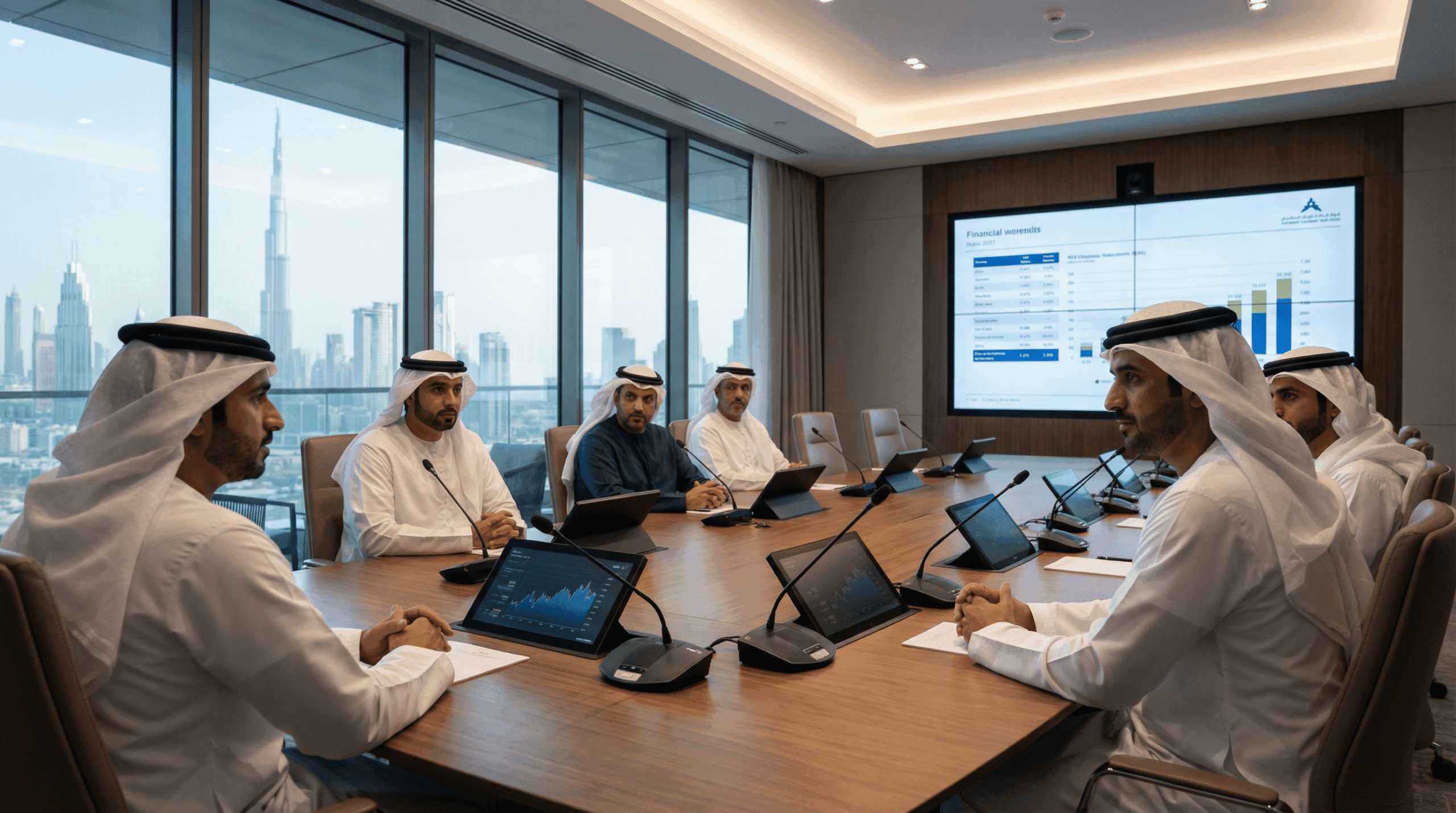

Modern businesses rely heavily on technology to communicate, collaborate, and operate efficiently. From corporate boardrooms in Dubai to retail spaces in Abu Dhabi and control rooms across the GCC, audio visual systems are no longer standalone components they are fully integrated ecosystems.
But what exactly are AV system integration services, and why do they matter so much for businesses in the UAE?
This guide explains what AV integration involves, how it works, and why professional AV system integration is critical for long-term performance.
What Is AV System Integration?
AV system integration is the process of designing, connecting, and configuring multiple audio visual components into a unified system that functions seamlessly.
Instead of installing individual devices separately such as screens, speakers, microphones, and control panels integration ensures that all components communicate effectively with one another.
A professionally integrated AV system typically combines:
-
LED video walls or display screens
-
Audio systems (speakers, microphones, DSP processors)
-
Video conferencing equipment
-
Control systems and touch panels
-
AV over IP infrastructure
-
Digital signage networks
-
Centralized content management systems
The goal is not just installation, but synchronization and operational efficiency.
Why AV System Integration Matters for UAE Businesses
In fast-paced commercial environments like Dubai and Abu Dhabi, businesses cannot afford unreliable communication systems.
Poorly integrated AV setups often lead to:
-
Audio delays or feedback
-
Video signal dropouts
-
Complicated control interfaces
-
Inconsistent display performance
-
Increased maintenance costs
Professional AV system integration services eliminate these issues by ensuring compatibility, performance optimization, and proper calibration from the start.
For businesses operating across multiple locations in the UAE and Saudi Arabia, integrated systems also allow centralized control and scalable deployment.
Key Stages of AV System Integration
Understanding the integration process helps businesses evaluate potential AV partners more effectively.
1. Consultation & Site Assessment
The process begins with evaluating the physical environment, acoustic conditions, lighting, network infrastructure, and business objectives.
No two spaces are identical. A boardroom in DIFC has different requirements than a retail store in Dubai Mall or a control room in Riyadh.
2. System Design & Engineering
Based on assessment findings, the AV integrator develops a technical design plan.
This includes:
-
Equipment selection
-
Signal flow diagrams
-
Network architecture
-
Structural mounting strategy
-
Control system logic
Proper design prevents future compatibility issues and ensures the system supports long-term scalability.
3. Installation & Configuration
Installation is more than mounting screens and connecting cables.
Professional AV installation services include:
-
Structured cabling
-
Rack assembly
-
Display calibration
-
Audio tuning
-
Control system programming
-
Network configuration
Each component must be configured to operate within the broader ecosystem.
4. Testing, Commissioning & Training
Before handover, the system is fully tested under real-use conditions.
Commissioning ensures:
-
Audio clarity
-
Video synchronization
-
Control interface reliability
-
System stability
User training is also essential. Even the most advanced AV system must be simple for employees to operate.
AV Over IP and Modern Integration
One of the biggest shifts in AV system integration in the UAE is the adoption of AV over IP.
Instead of traditional point-to-point wiring, AV over IP uses network infrastructure to transmit audio and video signals. This allows:
-
Greater flexibility
-
Easier expansion
-
Centralized control
-
Multi-location management
As UAE businesses expand across the GCC, IP-based AV systems provide future-ready scalability.
Industries That Depend on AV System Integration
Professional AV system integration services are widely used across sectors:
Board Rooms for Corporate Offices : Boardrooms and meeting spaces rely on seamless video conferencing and presentation systems.
Retail & Hospitality : Digital signage networks and interactive displays enhance customer engagement.
Government, Command Centers and Control Rooms : Monitoring centers depend on high-performance LED video walls and synchronized data displays.
Smart Class Rooms for Education : Smart classrooms integrate interactive screens and audio systems for collaborative learning.
Each environment requires customized integration rather than off-the-shelf installation.
Choosing the Right AV Integration Partner in UAE
When selecting an AV system integration company, businesses should consider:
-
Proven integration experience
-
Industry specific knowledge
-
Technical engineering capability
-
Installation standards
-
Ongoing maintenance support
-
Scalability for future expansion
An experienced AV solutions provider will approach projects strategically not just as equipment suppliers, but as long-term technology partners.
The Difference Between Installation and Integration
Many vendors advertise AV installation services. However, installation alone does not guarantee system harmony.
Installation = equipment placement and wiring.
Integration = engineering, synchronization, optimization, and performance tuning. That’s what Bebright does.
True AV system integration ensures every component works as one unified solution.
AV system integration services play a critical role in modern business infrastructure across the UAE and Saudi Arabia. As organizations increasingly rely on digital communication, seamless audio visual ecosystems are essential for productivity and professional presentation.
From consultation and design to installation and long-term support, professional AV integration ensures reliability, scalability, and performance.
For businesses planning new AV deployments or upgrading existing systems, understanding integration not just installation is the key to making the right investment.

